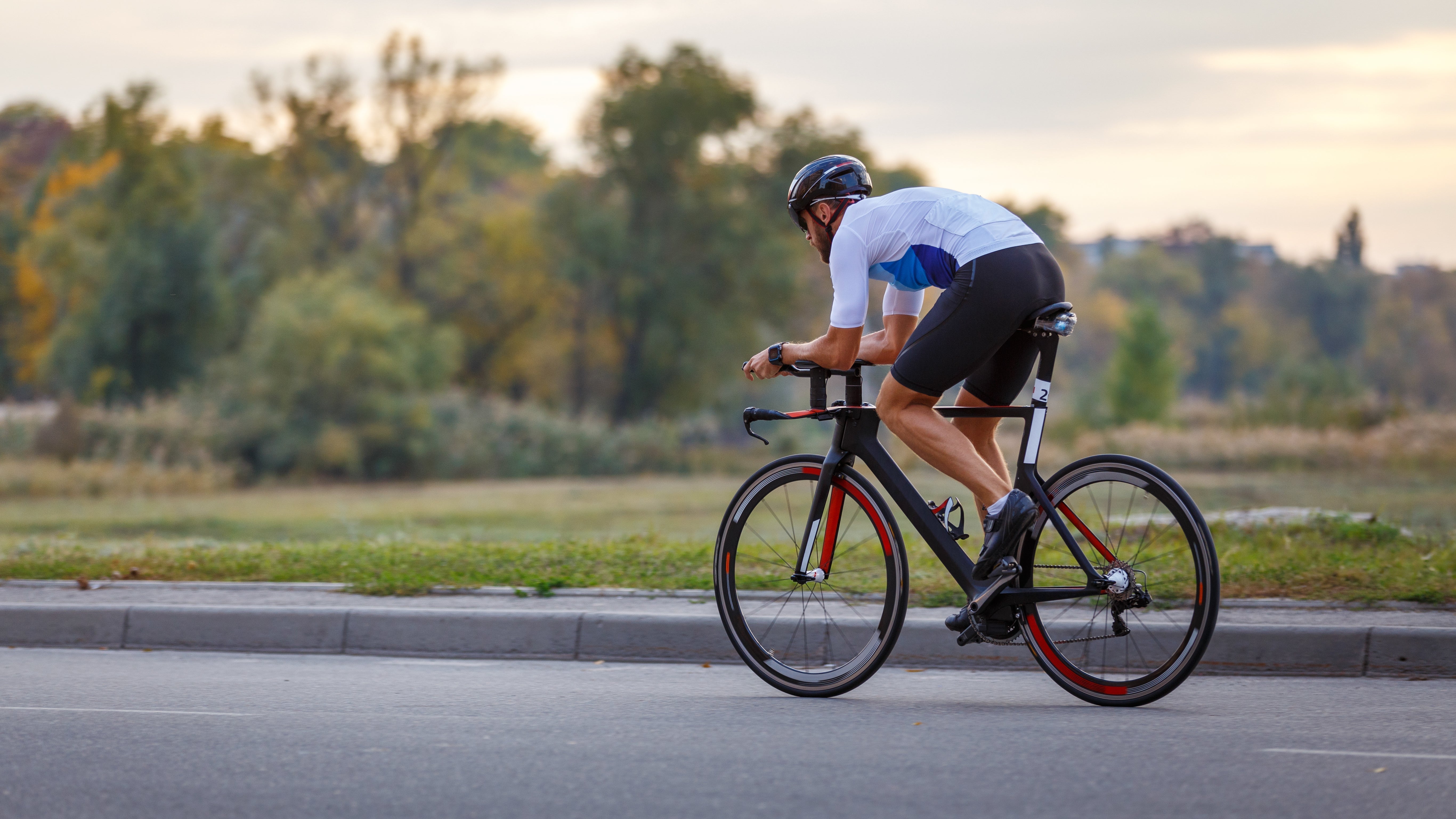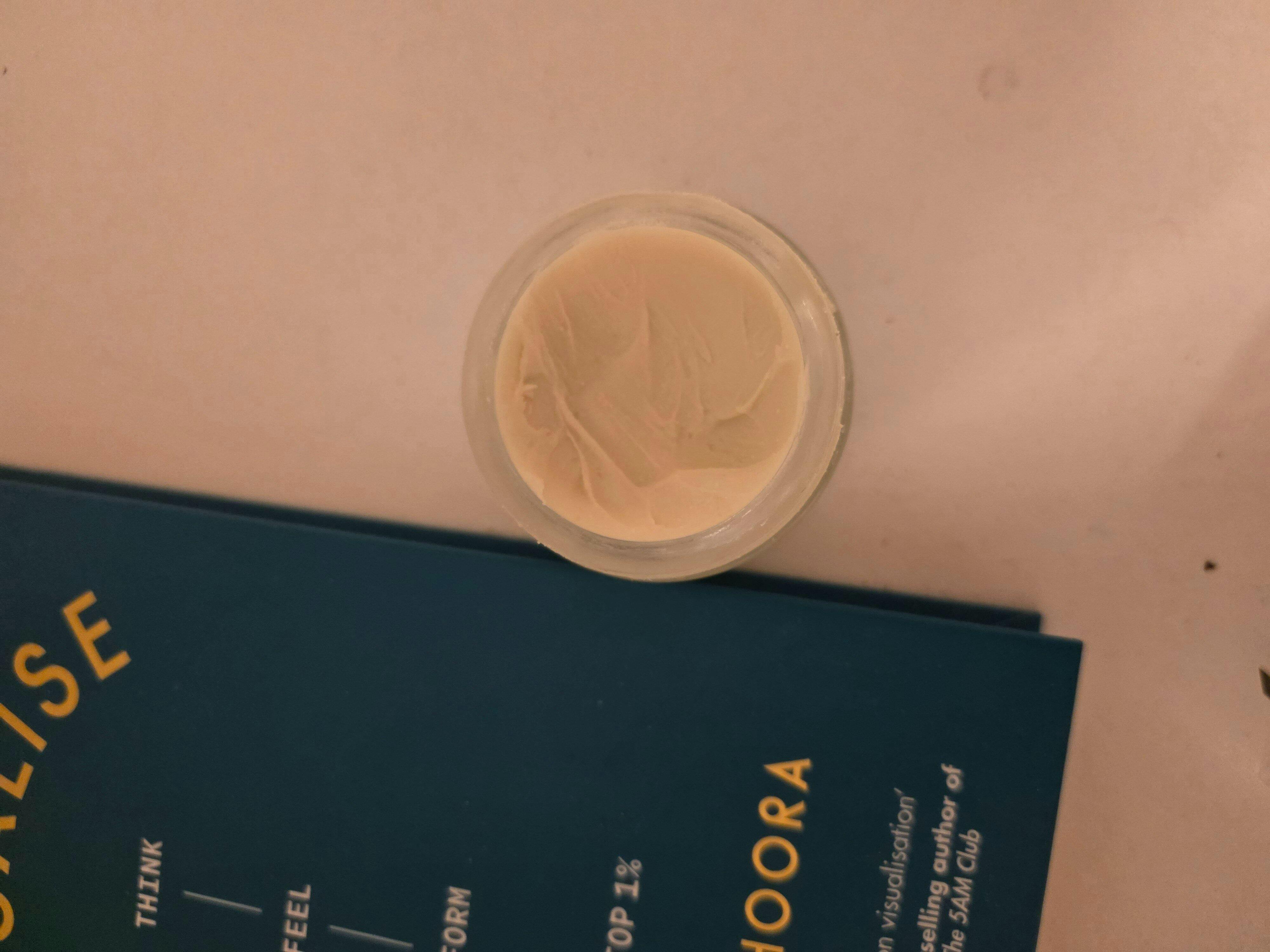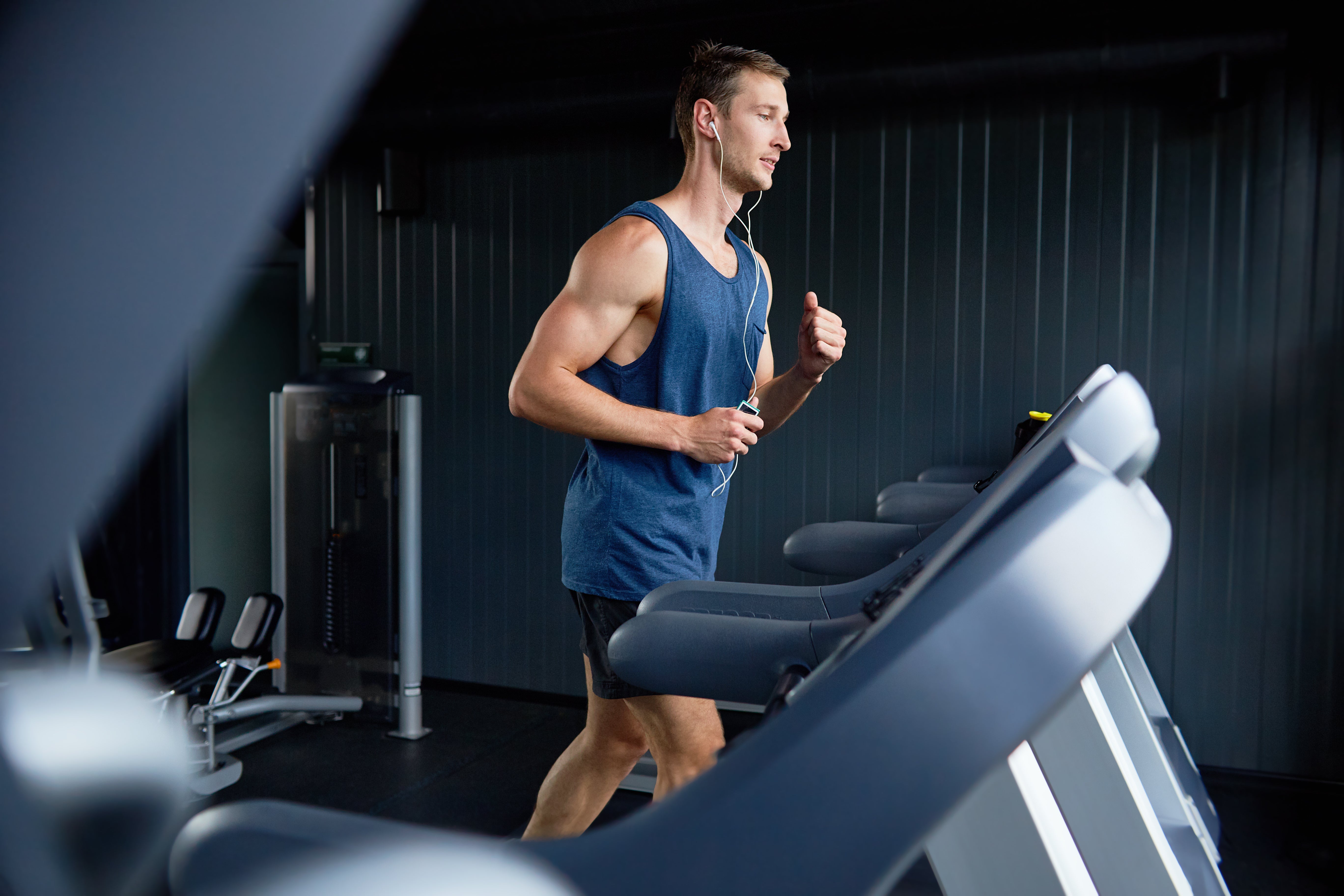
You've just pulled your favourite training shirt out of the washing machine. It looks clean. It feels clean. But the moment you start warming up—before you've even broken a sweat—that smell comes back. That sharp, sour, gym-bag odour that never really left.
You've washed it. You've used detergent. You've even tried vinegar, baking soda, and every "miracle" solution from the internet. But 10 minutes into your workout, your clean shirt smells like it's been sitting in your gym bag for a week.
This isn't just annoying—it's expensive. Training gear costs serious money. Sports bras, compression tops, technical running shirts, cycling jerseys—none of it is cheap. And if you're replacing gear every few months because the smell won't come out, that adds up fast.
The good news? This problem is fixable. And the solution isn't just about how you wash your clothes—it starts with what you're putting on your skin before you train.
Why Gym Clothes Develop Permanent Smell
That embedded smell in your workout gear isn't dirt. It's not sweat, either. It's a combination of bacteria, fabric chemistry, and—most importantly—what's transferring from your deodorant.
Bacteria Love Technical Fabrics
Technical workout fabrics (polyester, nylon, spandex blends) are designed to wick moisture away from your skin. They're breathable, stretchy, and dry quickly. But they also create a perfect environment for bacteria.
Here's what happens:
- You sweat during training. Natural and necessary.
- Bacteria on your skin feed on sweat proteins. This creates the smell.
- Bacteria transfer to your clothing fibres. They embed themselves in the fabric structure.
- The fabric traps bacteria deep in the fibres. Especially in high-friction areas like armpits.
- Regular washing doesn't kill all the bacteria. They survive, multiply, and reactivate the moment you sweat again.
This is why your shirt can smell fine when it's dry but starts reeking the second you warm up. The heat and moisture reactivate the dormant bacteria.
Aluminium from Antiperspirant Makes It Worse
Here's the part most people don't realize: traditional antiperspirants are a major cause of permanent clothing odour.
Antiperspirants contain aluminium compounds (aluminium chloride, aluminium zirconium) that:
- Transfer from your skin to your clothing during every workout
- React with your sweat to create new compounds that embed in fabric
- Create yellow stains on light-coloured clothing (those pit stains that never come out)
- Trap bacteria in the fabric by creating a residue layer that protects them from washing
The aluminium essentially creates a shield around the bacteria, making them harder to remove. This is why your armpits smell worse than any other part of your workout gear—even though you sweat everywhere.
Fabric Softener Seals In the Problem
Fabric softener seems like it should help. It makes clothes soft and fresh-smelling, right?
Wrong. Fabric softener is one of the worst things you can use on technical workout gear:
- Coats fibres with waxy residue that traps bacteria and odour
- Reduces moisture-wicking ability of technical fabrics
- Creates buildup that gets worse with every wash
- Masks smell temporarily but doesn't remove the cause
If you've been using fabric softener on your gym clothes, you've been sealing bacteria into the fabric with every wash.
Hot Water and Dryers Set the Smell
High heat—whether from hot water washing or tumble drying—can actually set bacteria and odour into synthetic fabrics:
- Hot water can "cook" bacteria into the fibres rather than removing them
- High dryer heat bakes in odour and damages elastic fibres
- Heat activates aluminium residue making it harder to remove
This is why gym clothes often smell worse after a hot wash cycle, not better.
The Real Solution: Start With Your Deodorant
Here's what most "how to fix smelly gym clothes" articles won't tell you: the biggest fix isn't how you wash—it's what you're putting on your skin before you train.
Switch from Antiperspirant to Natural Deodorant
If you're using traditional antiperspirant, you're constantly depositing aluminium onto your clothes. This creates the residue buildup that traps bacteria and causes permanent smell.
When you switch to an aluminium-free natural deodorant like Wett Reset, you eliminate the source of the problem:
- No aluminium transfer to clothing fibres
- No residue buildup that protects bacteria
- No yellow staining that ruins light-coloured gear
- No waxy coating that interferes with fabric performance
Most athletes who switch to natural deodorant notice their gym clothes start smelling better within 2-3 weeks—even the old shirts that had permanent smell before.
Why Natural Deodorant Actually Improves Clothing Smell
Natural deodorants like Wett work differently than antiperspirants:
- They neutralise bacteria on your skin before it transfers to clothing
- They don't leave aluminium residue in fabric fibres
- They allow proper sweating which means less bacterial buildup overall
- They don't create the chemical reactions that cause yellow stains and embedded odour
Athletes consistently report that after switching to Wett:
- Their workout clothes smell cleaner even during training
- The smell washes out completely instead of coming back
- Old shirts with permanent smell gradually improve
- New gear stays fresh for much longer
This isn't magic—it's just eliminating the aluminium that was causing the problem in the first place.
How to Deep Clean Your Current Gym Clothes
If your workout gear already has embedded smell, here's how to rescue it:
Step 1: Strip Wash to Remove Buildup
A strip wash removes all the accumulated residue (aluminium, fabric softener, detergent buildup, body oils) that's protecting bacteria.
What you'll need:
- Bathtub or large sink
- Hot water (as hot as your tap produces)
- 1/4 cup washing soda (not baking soda)
- 1/4 cup borax
- 1/4 cup laundry detergent (regular, not "sports" or "technical")
Instructions:
- Fill tub with hot water
- Add washing soda, borax, and detergent—stir to dissolve
- Add your smelly workout clothes
- Let soak for 4-6 hours, stirring occasionally
- You'll see the water turn grey/brown as residue releases
- Drain, rinse thoroughly in cold water
- Wash normally in washing machine (cold water, no fabric softener)
- Air dry or tumble dry on low heat
Most athletes see dramatic improvement after one strip wash. For severely affected gear, you might need to repeat once more.
Step 2: Eliminate Fabric Softener Forever
Stop using fabric softener on all workout gear. This includes:
- Liquid fabric softener
- Dryer sheets
- "Sport" detergents with built-in softener
- Scent boosters (these often contain softener)
Your technical fabrics don't need softener—they're designed to work without it. Adding softener only creates problems.
Step 3: Use the Right Detergent
Not all detergents work well on technical fabrics or remove bacteria effectively.
Best options:
- Regular powder or liquid detergent (avoid "sport" formulas)
- Enzyme-based detergents (enzymes break down sweat proteins)
- Specialist sports detergents like Nikwax BaseWash or Nathan Sport Wash
Avoid:
- Detergents with built-in fabric softener
- Too much detergent (more isn't better—it creates residue)
- "Free and clear" formulas (they often lack cleaning power for heavy sweat)
Use the recommended amount or slightly less. Too much detergent leaves residue that attracts bacteria.
Step 4: Wash in Cold Water
Despite what you might think, cold water is better for smelly gym clothes:
- Preserves elastic fibres in compression gear
- Doesn't "set" bacteria into synthetic fabrics
- Removes sweat and bacteria just as effectively with proper detergent
- Saves energy and extends clothing life
Hot water is only necessary for the initial strip wash. Regular washing should be cold.
Step 5: Add White Vinegar or Baking Soda
For extra bacteria-killing power during regular washes:
White vinegar:
- Add 1/2 cup to the fabric softener dispenser
- Kills bacteria and removes odours
- Doesn't leave vinegar smell after drying
- Helps remove detergent residue
Baking soda:
- Add 1/4 cup to the wash cycle
- Neutralises odours
- Helps brighten colours
- Softens water for better cleaning
Don't use both together—they neutralise each other. Pick one per wash.
Step 6: Air Dry When Possible
Air drying is gentler on technical fabrics and doesn't set in any remaining odour:
- Hang dry in a well-ventilated area
- Direct sunlight is even better (UV kills bacteria)
- Avoid radiators or direct heat sources
- If using a dryer, use low heat only
For compression gear, sports bras, and anything with elastic, air drying significantly extends lifespan.
Preventing Smell in New Workout Gear
Once you've rescued your current gear, here's how to keep new stuff fresh:
1. Switch to Aluminium-Free Deodorant
This is the single biggest factor. Wett Reset eliminates the aluminium transfer that causes most permanent clothing smell.
Athletes who make this switch report their new gear stays fresh 3-5x longer than before.
2. Rinse Immediately After Training
Don't let sweaty clothes sit in your gym bag for hours:
- Rinse in cold water as soon as possible after training
- Or hang to air-dry until you can wash properly
- Bacteria multiply rapidly in damp, enclosed spaces (like your gym bag)
Even a quick cold-water rinse dramatically reduces bacterial growth.
3. Wash Within 24 Hours
The longer sweaty clothes sit, the more bacteria multiply. Aim to wash within:
- 12 hours for very sweaty training (summer runs, intense workouts)
- 24 hours maximum for moderate training
- Immediately if clothes are soaked through
If you can't wash right away, at least rinse and hang to dry.
4. Turn Clothes Inside-Out
Most sweat and bacteria are on the inside of your clothes (against your skin). Washing inside-out:
- Exposes the dirty side directly to water and detergent
- Cleans more effectively
- Protects colours and logos on the outside
This simple step makes a surprising difference in how thoroughly clothes clean.
5. Don't Overload the Washing Machine
Workout clothes need room to agitate properly. If you pack the machine too full:
- Clothes don't get clean
- Detergent doesn't distribute evenly
- Bacteria survive the wash cycle
Fill the drum only 2/3 to 3/4 full for best results.
6. Skip the Extra Rinse Cycle
Counterintuitively, extra rinse cycles can make things worse:
- They don't add cleaning power
- They can redistribute bacteria
- They waste water and time
One proper wash cycle is more effective than multiple rinses.
Special Considerations for Different Gear Types
Sports Bras and Compression Tops
These are the hardest hit by smell because:
- High compression traps sweat against skin
- Multiple layers of fabric
- Elastic and padding create hiding spots for bacteria
Extra care:
- Always wash inside-out
- Use a mesh laundry bag to protect shape
- Air dry to preserve elastic
- Consider hand-washing expensive sports bras
Running Shirts and Singlets
Lightweight technical fabrics need gentle care:
- Cold water only
- Minimal detergent
- Air dry in sunlight when possible
- White vinegar helps maintain wicking ability
Cycling Kits (Jerseys and Bib Shorts)
Expensive cycling apparel deserves special treatment:
- Wash after every ride (no exceptions)
- Use specialist cycling detergent or gentle liquid
- Never use fabric softener (destroys moisture-wicking)
- Always air dry (heat damages lycra and elastic)
- The chamois pad is especially prone to bacteria—thorough washing is critical
CrossFit and Gym Shorts
Shorts usually smell less than tops, but still need proper care:
- Wash inside-out to clean waistband and lining
- Check pockets for forgotten items before washing
- Air dry to prevent elastic degradation
Compression Leggings and Tights
High-quality compression gear is expensive—make it last:
- Cold water wash only
- Gentle or delicate cycle
- Air dry completely before storing
- Never iron (heat destroys compression properties)
When to Replace Workout Gear
Even with perfect care, workout clothes don't last forever. Replace when:
Performance degradation:
- Fabric has lost stretch or compression
- Moisture-wicking no longer works
- Seams are splitting or coming apart
Smell that won't leave:
- After multiple strip washes, smell still returns
- Usually happens after 2-3 years of regular use
- More common in heavily used items (favourite shirts worn 2-3x/week)
Visible damage:
- Holes, tears, or significant wear
- Permanent stains that affect appearance
- Faded colours that make you look unprofessional
With proper care (and aluminium-free deodorant), quality workout gear should last:
- Sports bras: 1-2 years with regular use
- Technical shirts: 2-3 years
- Compression tights: 2-4 years
- Cycling jerseys: 3-5 years
- Quality shorts: 3-5 years
If your gear is dying faster than this, it's usually because of aluminium buildup from antiperspirant or improper washing (fabric softener, hot water, too much detergent).
The Connection: Better Deodorant = Fresher Clothes
Here's the bottom line that most articles about smelly gym clothes won't tell you:
Your deodorant choice has a bigger impact on clothing smell than your washing routine.
You can follow every washing tip perfectly, but if you're still using aluminium antiperspirant, you're constantly re-depositing the residue that causes permanent smell.
When athletes switch to Wett Reset, they consistently report:
- New workout gear stays fresh 3-5x longer
- Old gear with "permanent" smell gradually improves
- Yellow pit stains stop appearing on new clothes
- Less frequent need for strip washing or gear replacement
- Overall lower cost of maintaining a workout wardrobe
This isn't surprising—you've eliminated the aluminium that was causing the problem in the first place.
Action Plan: Fix Smelly Gym Clothes in 3 Steps
Step 1: Strip Wash Your Current Gear (This Weekend)
- Strip wash all smelly workout clothes following the method above
- This removes years of aluminium and residue buildup
- Takes 6 hours but saves hundreds in replacement costs
Step 2: Switch to Aluminium-Free Deodorant (This Week)
- Try Wett Reset to eliminate aluminium transfer
- Give your body 7-10 days to adjust
- Notice how your clothes start smelling better even before you change your washing routine
Step 3: Update Your Washing Routine (Ongoing)
- Cold water, proper detergent, no fabric softener
- Add white vinegar or baking soda to each wash
- Air dry when possible
- Wash within 24 hours of training
Within 2-3 weeks of implementing all three steps, most athletes report their gym clothes smell better than they have in years—even during workouts.
Common Questions About Smelly Gym Clothes
Why do my gym clothes smell worse than my regular clothes?
Technical workout fabrics (polyester, nylon, spandex) trap bacteria more effectively than natural fibres like cotton. Combined with sweat and aluminium from antiperspirant, this creates the perfect environment for odour-causing bacteria to thrive.
Can I save clothes that already have permanent smell?
Yes, in most cases. A thorough strip wash removes the aluminium and residue buildup that protects bacteria. Then switching to aluminium-free deodorant prevents the problem from returning. Clothes that have been "permanently" smelly for years often become fresh again within a month of this protocol.
Do expensive workout clothes smell less than cheap ones?
Quality technical fabrics often have better antimicrobial treatments built-in, but even expensive gear will develop smell if you're using aluminium antiperspirant. The deodorant you use matters more than the price of your clothing.
Should I use sports-specific detergent?
Specialist sports detergents like Nikwax or Nathan can work well, but regular enzyme-based detergent is usually fine and cheaper. The key is avoiding fabric softener, not using too much detergent, and washing in cold water. If your current detergent works well, stick with it.
Why does my workout gear smell fine when dry but stink when I sweat?
Dormant bacteria reactivate when exposed to heat and moisture. The smell isn't gone—it's just inactive until you start sweating again. This is a sign you need to strip wash to remove embedded bacteria and switch to aluminium-free deodorant.
How often should I strip wash my gym clothes?
After the initial strip wash (when you first implement this system), you shouldn't need to strip wash more than 1-2 times per year—if at all. Once you've switched to aluminium-free deodorant and proper washing technique, buildup shouldn't occur.
Does this work for all types of workout clothes?
Yes. This approach works for all synthetic technical fabrics: running shirts, cycling jerseys, sports bras, compression gear, CrossFit apparel, yoga clothes, and gym shorts. Natural fibres like cotton are actually easier—they don't trap bacteria as much in the first place.
Will white vinegar damage my clothes?
No. White vinegar is safe for all workout fabrics and actually helps preserve them by removing detergent buildup. It doesn't leave a vinegar smell after drying. Use 1/2 cup per wash in the fabric softener dispenser.
The Bottom Line: Fresh Clothes Start With Better Deodorant
You can optimize your washing routine all you want, but if you're still using aluminium antiperspirant, you're fighting a losing battle. The aluminium creates the residue that traps bacteria and causes permanent smell.
The most effective solution is to eliminate the problem at the source:
- Switch to aluminium-free natural deodorant like Wett Reset
- Strip wash existing gear to remove years of buildup
- Follow proper washing protocol going forward
Within a month, most athletes report their workout wardrobe smells better than it has in years—and they're spending less money replacing ruined gear.
Try Wett Reset – Stop Ruining Your Workout Clothes →